Introduction: Navigating the Intersection of Prediction Markets and Political Commentary
As the United States approaches what is anticipated to be a highly contentious midterm election cycle, prediction market platforms are finding themselves in a complex situation regarding the political commentators they engage for promotional activities. Both Kalshi and Polymarket, prominent players in the prediction market space, have recently confirmed to WIRED that they requested influencers to take down social media posts, initially tagged as “paid partnerships,” which questioned the legitimacy of the Los Angeles mayoral election results. This development underscores the growing challenges these platforms face in managing the content disseminated by their affiliates, especially when it veers into politically charged and potentially misleading territory.
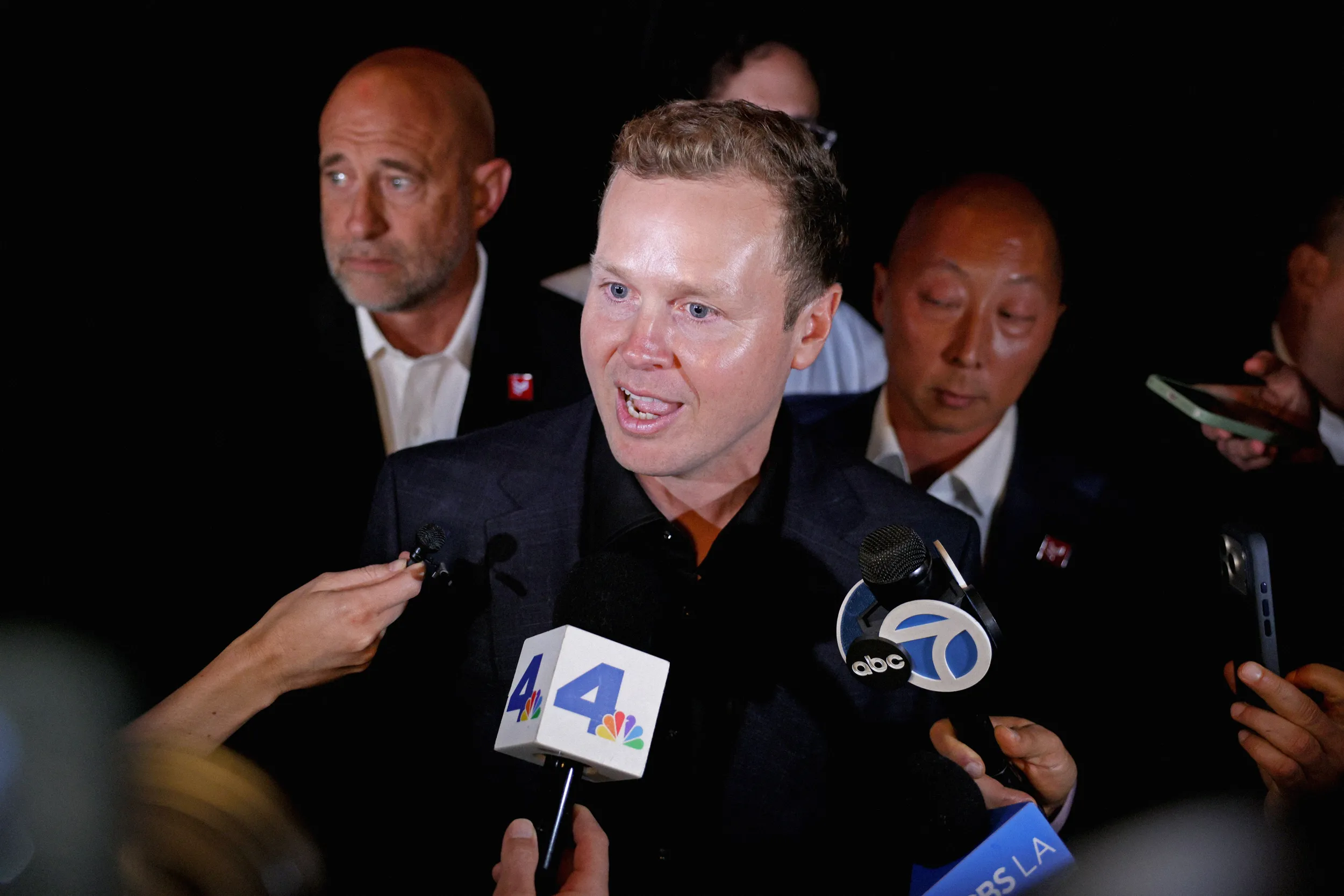
The incident came to light following the Los Angeles mayoral race, where conservative former reality television personality Spencer Pratt ultimately placed third, behind incumbent Karen Bass and city councilor Nithya Raman. In the wake of these results, several popular right-wing content creators published posts that sowed doubt about the electoral process. One notable example involved a MAGA influencer identified as Gunther Eagleman, who commands a substantial following exceeding 1.7 million. Eagleman’s post explicitly suggested that Pratt’s political adversaries were engaged in “stealing” the election, a claim that directly challenged the integrity of the democratic process.
Kalshi’s Stance on Election Integrity
Kalshi, in response to these developments, took action by asking the implicated creators to remove the contentious posts. This move was initially reported by Semafor. While Kalshi does not publicly disclose the specific terms of its agreements with paid partners, the company maintains explicit internal guidelines that prohibit affiliates from questioning the integrity or accuracy of official election results, as well as legal rulings pertinent to elections. Dani Lever, a spokesperson for Kalshi, clarified the company’s position to WIRED, stating, “These are internal policies to guide our affiliates and partners, and they include standards around the promotion of and marketing of Kalshi markets on elections.” This statement emphasizes Kalshi’s commitment to ensuring that its promotional activities align with a standard of factual accuracy and respect for electoral outcomes.
The company’s proactive measures reflect a broader effort to distance itself from narratives that could undermine public trust in democratic institutions. The increasing scrutiny on prediction markets, both from regulators and the public, makes it imperative for these platforms to demonstrate a clear commitment to responsible content dissemination. The incident with the Los Angeles mayoral election serves as a practical test of these internal policies and the company’s willingness to enforce them, even when it involves high-profile influencers.
Polymarket’s Guidelines and Enforcement Challenges
Similarly, Polymarket has also engaged with creators regarding posts that criticized election results. The platform requested two influencers to remove “paid-partnership” tags from such content. Among these was a post from prominent right-wing influencer Benny Johnson, who suggested that the improved odds for Raman on Polymarket were due to “the public has so little faith in California’s elections that they just assume Democrats are going to dramatically rig it.” This post, initially tagged as paid content from June 4, remained online until June 8 when the partnership tag was subsequently removed. Johnson did not respond to inquiries for comment and has not published any new Polymarket affiliate content since the removal of the tag.
Olivia Chalos, Polymarket’s deputy chief legal officer, issued a statement to WIRED affirming the company’s position: “Our existing marketing guidelines explicitly prohibit affiliates from providing misleading or false information, and we will continue to monitor and ensure compliance with our paid contributors.” While Polymarket declined to share the exact contractual language used with its affiliates, it confirmed that its guidelines explicitly forbid false and misleading statements. The company’s efforts to enforce these guidelines highlight the ongoing challenge of policing content in a rapidly evolving digital landscape.
The newsletter Popular Information had earlier reported that other posts, also labeled as paid partnerships with Polymarket and Kalshi, continued to promote narratives of election denialism. This suggests that despite the platforms’ stated policies and enforcement actions, maintaining comprehensive oversight over all affiliate content remains a significant hurdle. Polymarket acknowledged this challenge, informing WIRED that it is actively pursuing additional accounts that have violated its policies, likening the enforcement process to a “game of whack-a-mole.” This analogy aptly describes the continuous and often reactive nature of content moderation in the influencer marketing sphere.
Unorthodox Payment Methods and Broader Regulatory Concerns
Further complicating matters, Politico reported last week on an unorthodox payment arrangement at Polymarket. According to the report, Matthew Modabber, Polymarket’s chief marketing officer, directly compensates content creators using PayPal. The specifics of whether Modabber used this method to pay Johnson or another right-wing commentator, Kangmin Lee, whose post was also removed, for these particular partnerships remain unclear. Polymarket chose not to comment on its payment practices when asked. Such payment methods, while not inherently problematic, can raise questions about transparency and accountability, particularly given the sensitive nature of political commentary.
The broader context for these incidents involves increasing scrutiny from lawmakers and regulators on both Kalshi and Polymarket. These platforms offer a diverse array of markets related to politics and elections, and their odds are increasingly cited in media coverage of electoral events. For instance, CNN formalized a partnership with Kalshi late last year, integrating prediction market insights into its reporting. However, many state officials contend that these startups should be regulated as gambling platforms rather than commodities exchanges. Numerous lawsuits are currently underway, aiming to compel these companies to adhere to state gambling laws, which typically entail more stringent oversight and consumer protections.
Beyond the classification debate, bipartisan concerns have emerged regarding the potential for these markets to incentivize and facilitate insider trading and market manipulation. The ability to profit from specific outcomes could, in theory, create perverse incentives for individuals with privileged information or those seeking to influence public perception. This latest controversy, involving influencers promoting election denialism, adds another layer of alarm. It underscores the inherent risks when prediction market companies become entangled with commentators who espouse views that challenge fundamental democratic principles. The probability that this is an isolated incident, and that the vast network of firebrand commentators will consistently exercise sound judgment in their paid promotional materials, appears to be quite low, suggesting a persistent challenge for these platforms.
Source: Polymarket and Kalshi Say Influencer Partners Can’t Deny Election Results, Actually