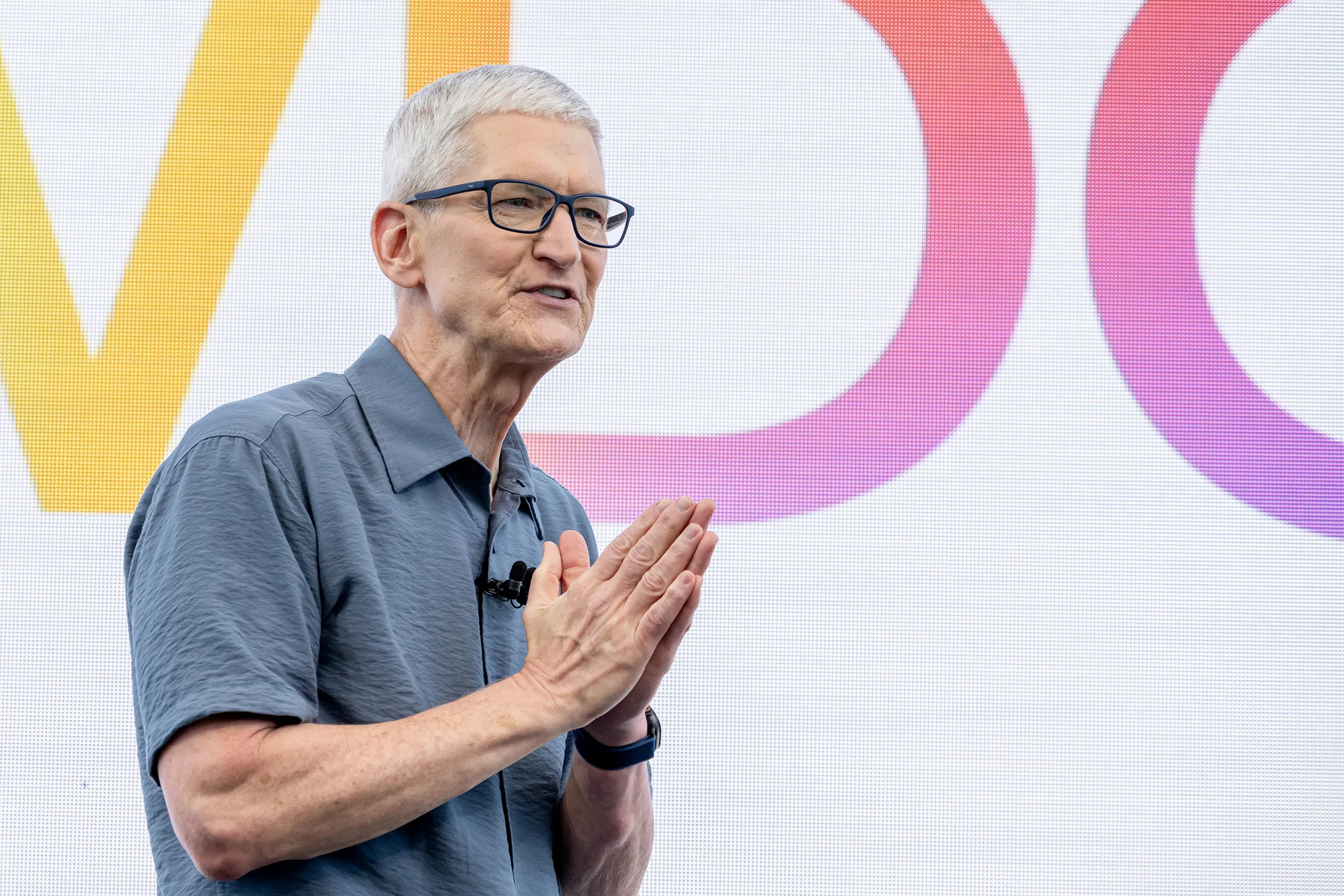
Introduction to Apple Intelligence at WWDC 2026
Apple's Worldwide Developers Conference (WWDC) 2026, held at Apple Park in Cupertino, California, served as the platform for the company to unveil a comprehensive suite of updates across its major operating systems: iOS, macOS, and watchOS. The central theme of this year's conference was the deep integration of 'Apple Intelligence,' a new framework designed to bring advanced artificial intelligence capabilities directly to user devices, emphasizing personalization, efficiency, and privacy. The announcements highlighted a strategic shift towards leveraging AI to enhance core functionalities, from camera features to smart home management and personal assistant interactions.
Revolutionizing Siri with Advanced AI
One of the most anticipated updates focused on Siri, Apple's intelligent personal assistant. Siri is undergoing a significant transformation, moving beyond basic commands to offer more intuitive and personalized interactions. The new Siri AI is designed to understand natural language more effectively, enabling users to articulate complex requests with greater ease. A key enhancement is Siri's ability to assist with writing tasks. Users can now describe their needs using natural language, and Siri can generate drafts of messages, emails, or other text. This capability extends to understanding the user's communication style with specific contacts, allowing Siri to tailor its output to match that personal tone. Furthermore, Apple Intelligence will power automatic proofreading and provide feedback on writing, aiming to refine user-generated content before it's sent. Initially, these advanced Siri AI features will be available in English, with support for additional languages planned for future releases.
Siri's integration is also expanding beyond traditional devices. On watchOS, a dedicated Siri app will provide quick access to its capabilities. For visionOS users, interaction with Siri becomes even more seamless; simply looking at the Siri orb and speaking will activate the assistant, eliminating the need for a verbal trigger like 'Hey Siri.' This pervasive integration underscores Apple's commitment to making AI a fundamental part of the user experience across its ecosystem.
Enhancing the Camera and Photos App with AI
The iPhone's camera app and the Photos application are receiving substantial AI upgrades, leveraging Apple Intelligence to offer more sophisticated image manipulation and enhancement tools. These features are designed to 'enhance images in ways that respect the original moment,' ensuring that AI-driven modifications maintain the integrity of the original photograph.
- Clean Up: This improved feature allows users to effortlessly remove distractions and unwanted objects from images, promising more refined and natural-looking results than previous iterations.
- Extend: A novel capability, Extend enables users to expand the borders of an image, generating new pixels based on the surrounding content. This provides more 'breathing room' within a photograph, allowing for creative framing or compositional adjustments.
- Spatial Reframe: Utilizing on-device spatial models, Spatial Reframe allows for subtle changes in a photo's perspective. It works in conjunction with generative AI to intelligently fill in any gaps that might arise from these perspective shifts, ensuring a cohesive final image.
Beyond the Photos app, Siri's integration into the Camera app introduces Google Lens-like functionality. Users can point their iPhone at an object or scene, and Siri can provide contextual assistance. An illustrative example provided was snapping a picture of a restaurant bill, after which Siri can help with splitting the tab among diners – a practical application of AI for everyday tasks.
Smart Home and Productivity Improvements
Apple's Home app is finally receiving significant attention, with Apple Intelligence bringing smarter notifications for compatible security cameras. These enhanced notifications will provide more descriptive and intelligent summaries of events occurring around the home, mirroring similar advancements seen in smart home platforms from Google and Amazon. This aims to provide users with more actionable insights into their home security and activity.
Productivity across Apple's ecosystem is also set to benefit from AI integration. The Shortcuts app, which previously required a degree of technical understanding, will now allow users to create custom shortcuts using natural language. By simply stating what they want to achieve, Apple Intelligence will automatically configure the necessary steps, making automation more accessible to a broader user base.
In applications like Messages and Mail, new suggestion icons will appear, enabling one-tap actions based on content analysis. For instance, an email containing a meeting time might prompt a suggestion to add it to the calendar. Safari, Apple's web browser, is also getting an AI overhaul. 'Apple Intelligence' will 'tame your tabs' by automatically organizing them into topical groups. If a user is researching various types of coffee beans, Safari will intelligently group these tabs under a 'Coffee' topic, reducing clutter and improving navigation. Additionally, a new 'Describe an Extension' feature will allow Safari to create custom extensions based on user needs. Apple's password manager will also proactively assist users in updating passwords for accounts that have been compromised in data breaches, adding an extra layer of security.
Privacy and Developer Betas
Throughout the announcements, Apple reiterated its commitment to user privacy, frequently mentioning 'Private Cloud Compute' as a cornerstone of its AI strategy. This suggests that many of the advanced AI computations will occur on-device or within secure, private cloud environments designed to protect user data.
Following the WWDC keynote, developer betas for all the new operating system updates are being released, allowing developers to begin integrating and testing the new features. The official public versions of these updates are anticipated to roll out later in the fall. Apple CEO Tim Cook concluded the event with an optimistic outlook, stating, “I still believe the best is yet ahead,” signaling the company's long-term vision for AI-driven innovation.
Conclusion
WWDC 2026 marks a pivotal moment for Apple, as the company embraces artificial intelligence as a core driver for future innovation. The extensive integration of 'Apple Intelligence' across iOS, macOS, and watchOS promises a more intuitive, personalized, and efficient user experience. From a smarter Siri capable of nuanced conversation and writing assistance to AI-enhanced camera functionalities and streamlined productivity tools, these updates aim to redefine how users interact with their Apple devices. The emphasis on natural language processing, on-device intelligence, and robust privacy measures underscores Apple's approach to delivering powerful AI capabilities while maintaining its commitment to user data protection.
Source: Apple WWDC 2026 Live Blog: All the Updates, as They Happen