Siri's Evolution: A New Era of Personal AI Assistance
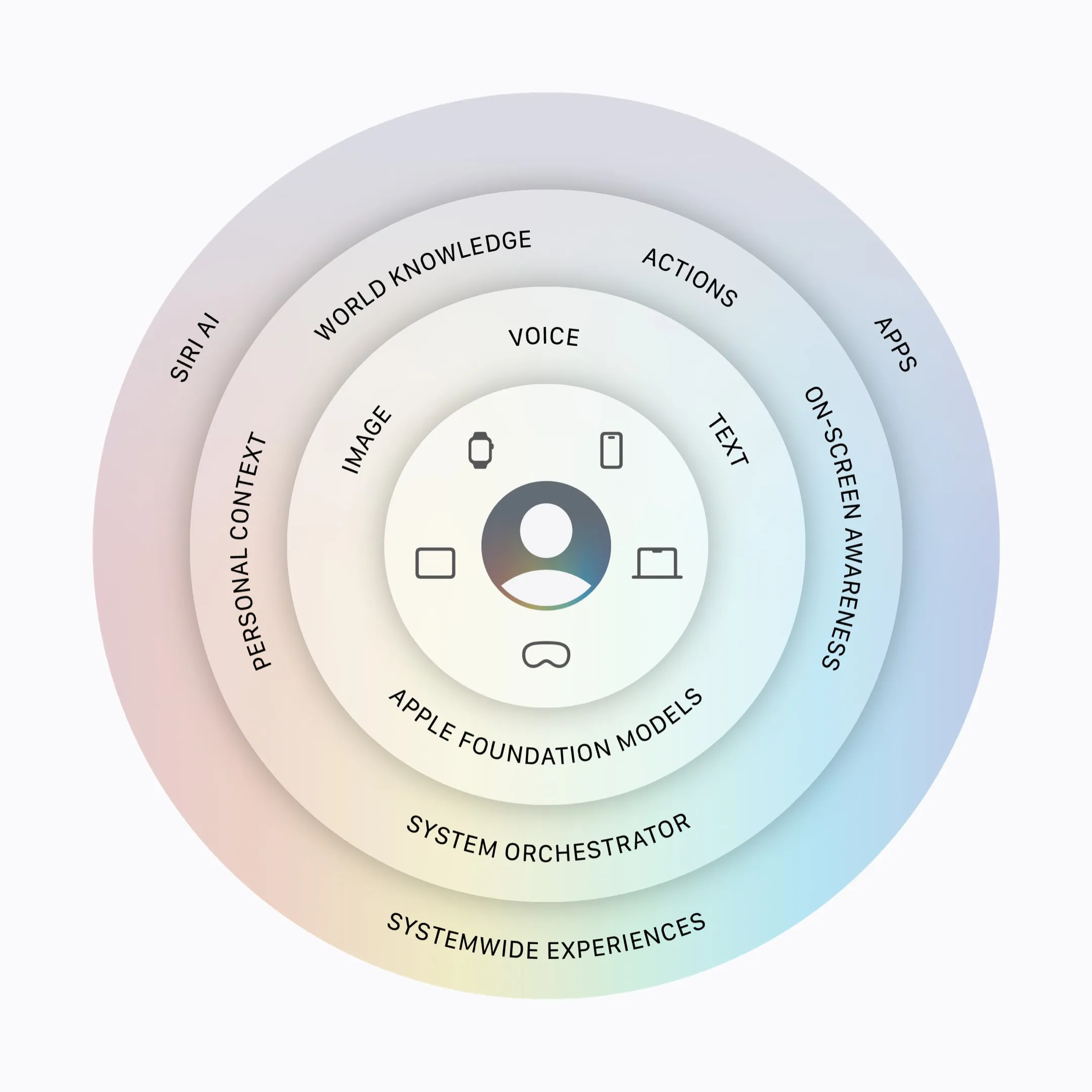
Apple has introduced a substantial overhaul of its Siri voice assistant, revealed at WWDC 2026. This repositioning aims to transform Siri into a more helpful, context-aware, and action-oriented tool, deeply integrated with users' personal data. A cornerstone of this transformation is a strategic partnership with Google Gemini, which will power Siri's underlying artificial intelligence model as part of the broader Apple Intelligence initiative. After facing previous delays, Apple is now moving forward with a dynamic reintroduction of Siri, featuring a redesigned on-device experience and the introduction of a dedicated Siri application.
The updated Siri experience is anticipated to become available to consumers later this year. Users will soon be able to engage with Siri in a chatbot-style interface, complete with the ability to review and continue past conversations, a feature reminiscent of platforms like ChatGPT. A key enhancement is Siri's capacity to leverage personal information stored on the user's device, including content actively displayed on the screen, to provide more relevant and informed responses.
Catching Up in the AI Landscape
For a period, Siri had remained relatively stagnant amidst the rapid advancements in generative AI. Competitors such as Google's Gemini, Anthropic's Claude, and OpenAI's ChatGPT quickly surpassed Apple's voice assistant in capabilities and user interaction. According to Avi Greengart, a lead analyst and president of Techsponential, a market advisory firm, "Over the last few years, with the growth of large language models, some of these assistants have gotten tremendously capable—while Siri has remained relatively programmatic and limited in what it can do." This new iteration of Siri is designed to address these limitations, offering a significantly expanded range of functionalities.
The revamped Siri will demonstrate enhanced contextual understanding. For example, when assisting with email composition, it can seamlessly integrate relevant information from other Apple applications, such as details found in the Notes app, to formulate a draft. It can also assist in drafting text messages for group chats, showcasing its improved ability to interact with various aspects of a user's digital life. This approach aligns with a prevailing trend among advanced AI assistants in 2026: providing the AI with more personal data to enable more effective and tailored assistance.
A Brief History of Siri's Journey
Siri's initial integration into the iPhone 4s in 2011 marked a significant milestone for smartphone voice assistants. This early version offered basic functionalities such as weather checks, appointment scheduling, and timer settings. The iconic launch video, featuring Zooey Deschanel interacting with Siri, cemented its place in popular culture. Unlike a downloadable application, Siri was a built-in feature, setting a new standard for device-integrated voice assistance.
As years passed, other companies' voice assistants began to catch up, leading to discussions about whether Apple was losing its competitive edge in this domain. This culminated at WWDC 2024, where Apple announced a suite of new Siri features, positioning these highly personalized updates as a compelling reason for consumers to upgrade their smartphones. However, the delayed and incomplete rollout of these AI features led to a false-advertising lawsuit against Apple, which was eventually settled for $250 million.
Despite these past challenges, the question remains whether Apple is too late to effectively compete with the current generation of AI assistants. Industry experts suggest that Apple's history indicates a strong potential for success. Ramon Llamas, a research director on the devices and displays team for International Data Corporation, notes, "Apple has really done a very good job at standing on the shoulders of the giants that came before them and taking things forward. They did that with smartphones. They did that with smartwatches." The ultimate success of this new Siri will depend on Apple's execution and whether users perceive the updates as genuinely useful and impactful.
Key Features of the Revamped Siri
At the same WWDC 2024 event, Apple had previously announced Siri's integration with ChatGPT, allowing users to route voice queries to OpenAI's chatbot for answers if desired. The introduction of a standalone Siri app is a strategic move by Apple to elevate the user experience, aligning it with contemporary expectations for AI tools in 2026. This app will enable users to revisit and continue previous conversations with Siri, offering a more persistent and conversational interaction model.
Beyond its traditional role as a voice assistant, the enhanced Siri experience now includes the ability to process text requests and upload files, making it a more versatile communication and productivity tool. Siri's AI capabilities are also expanding into the camera application, providing a Google Lens-style experience where users can ask questions about objects or scenes they are viewing through their device's camera.
Privacy Considerations and User Perception
Apple has historically emphasized user privacy, a reputation it seeks to maintain with these new AI integrations. However, the deeper access Siri will have to personal data has raised concerns among some experts. Marshini Chetty, a computer scientist at the University of Chicago specializing in privacy and human-computer interaction, states, "It could have good benefits, make you super efficient, and be really helpful, but it does make the privacy issue a little bit more murky."
In response to these concerns, Apple appears to be adopting a privacy-preserving approach, similar to its initial ChatGPT integration. During that rollout, Apple obscured user IP addresses and ensured that OpenAI did not store user requests. The company highlighted Siri's on-device processing capabilities in its recent presentation, suggesting that much of the sensitive data handling will occur locally on the user's device, minimizing cloud exposure.
The broader cultural sentiment towards generative AI remains mixed. While some users enthusiastically embrace AI-powered tools, others express reservations or lament what they perceive as the inevitable encroachment of generative AI into everyday applications. Serge Egelman, an online privacy and security expert at UC Berkeley, observes, "In many cases, they don't want these AI features. At the same time, all of these companies are invested in this. That's why it's getting shoved down everyone's throats, regardless of whether they actually want it."
The true impact of Apple's revamped Siri will become clearer as users get hands-on experience with the updated assistant later this year. The balance between enhanced personalization, advanced AI capabilities, and robust privacy measures will be crucial in shaping user adoption and satisfaction.